Where the Langhe Meets Monferrato
19 distinctive apartments within a historic Piedmont estate.
Private outdoor spaces and shared gardens, pool and wellness facilities.
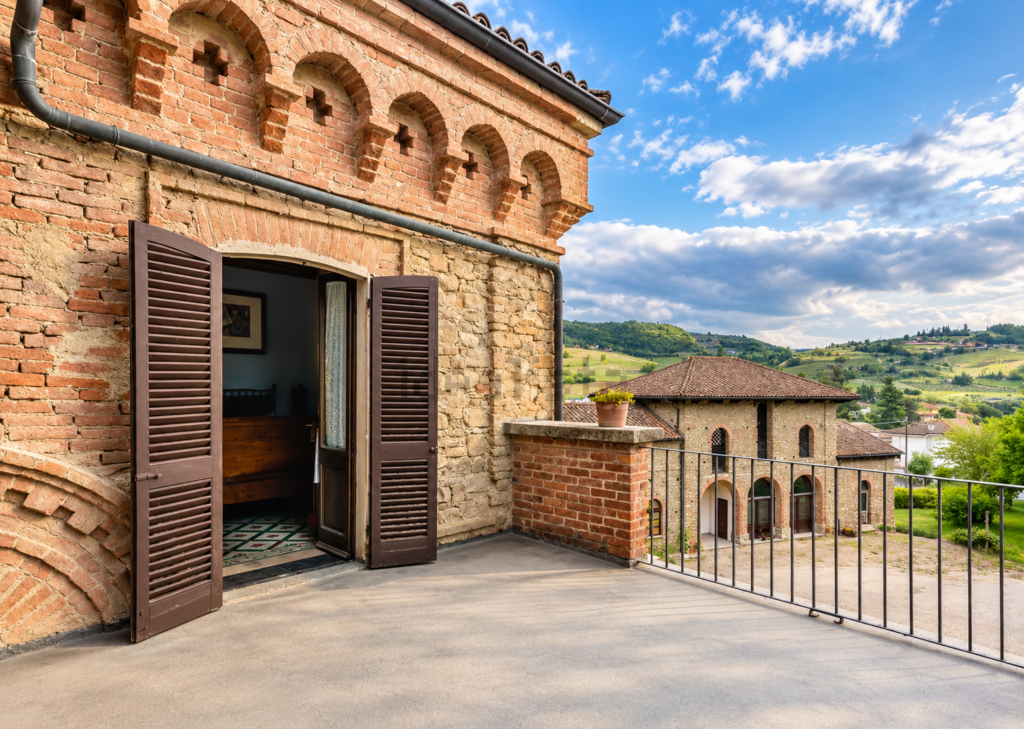
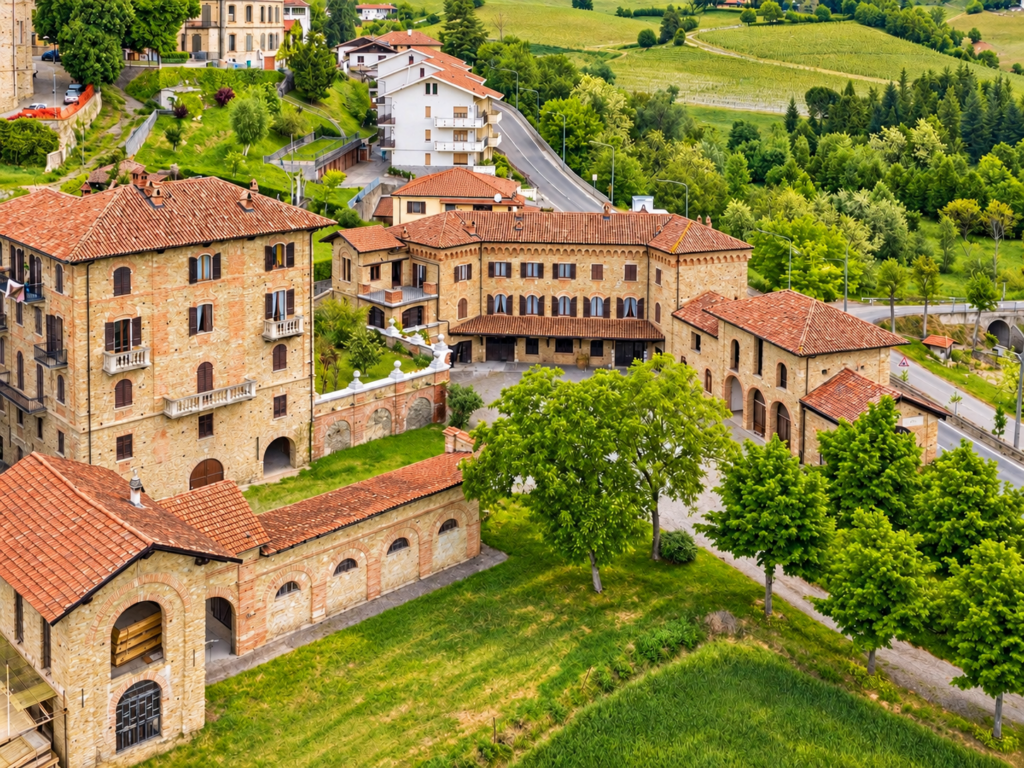
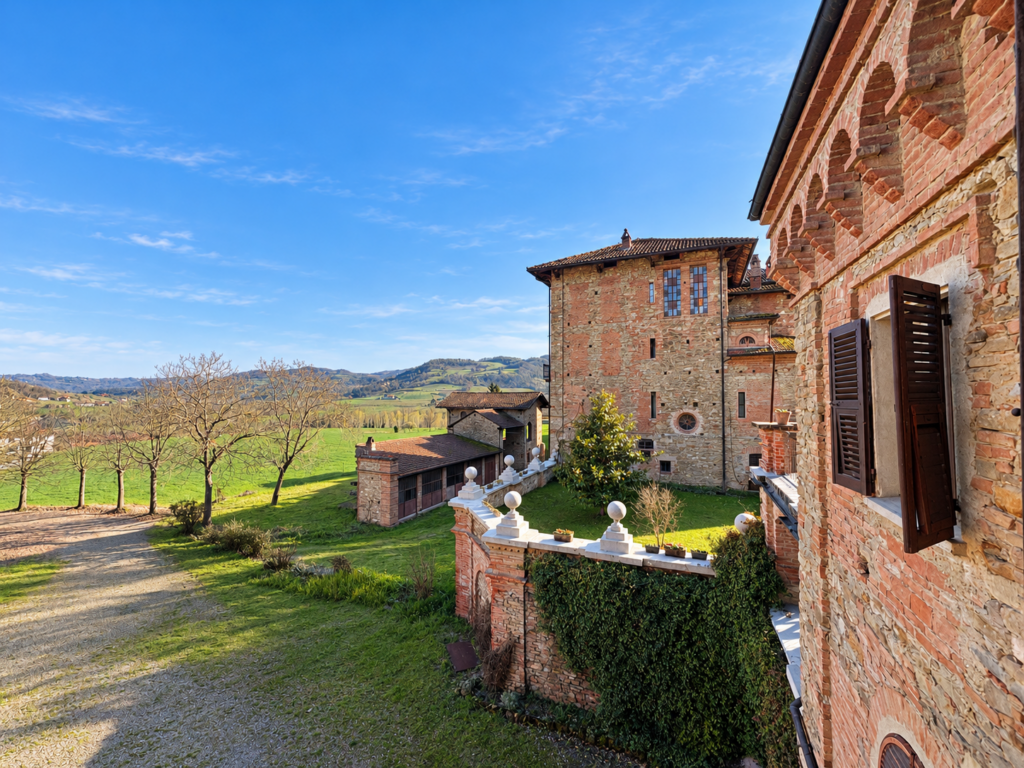
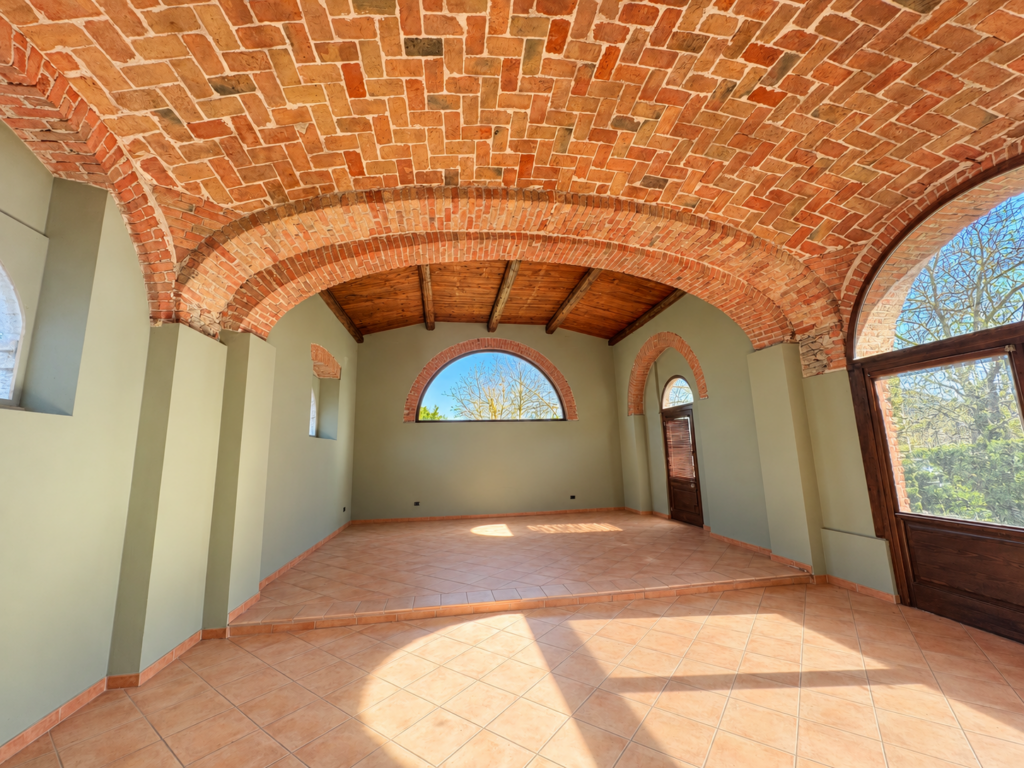
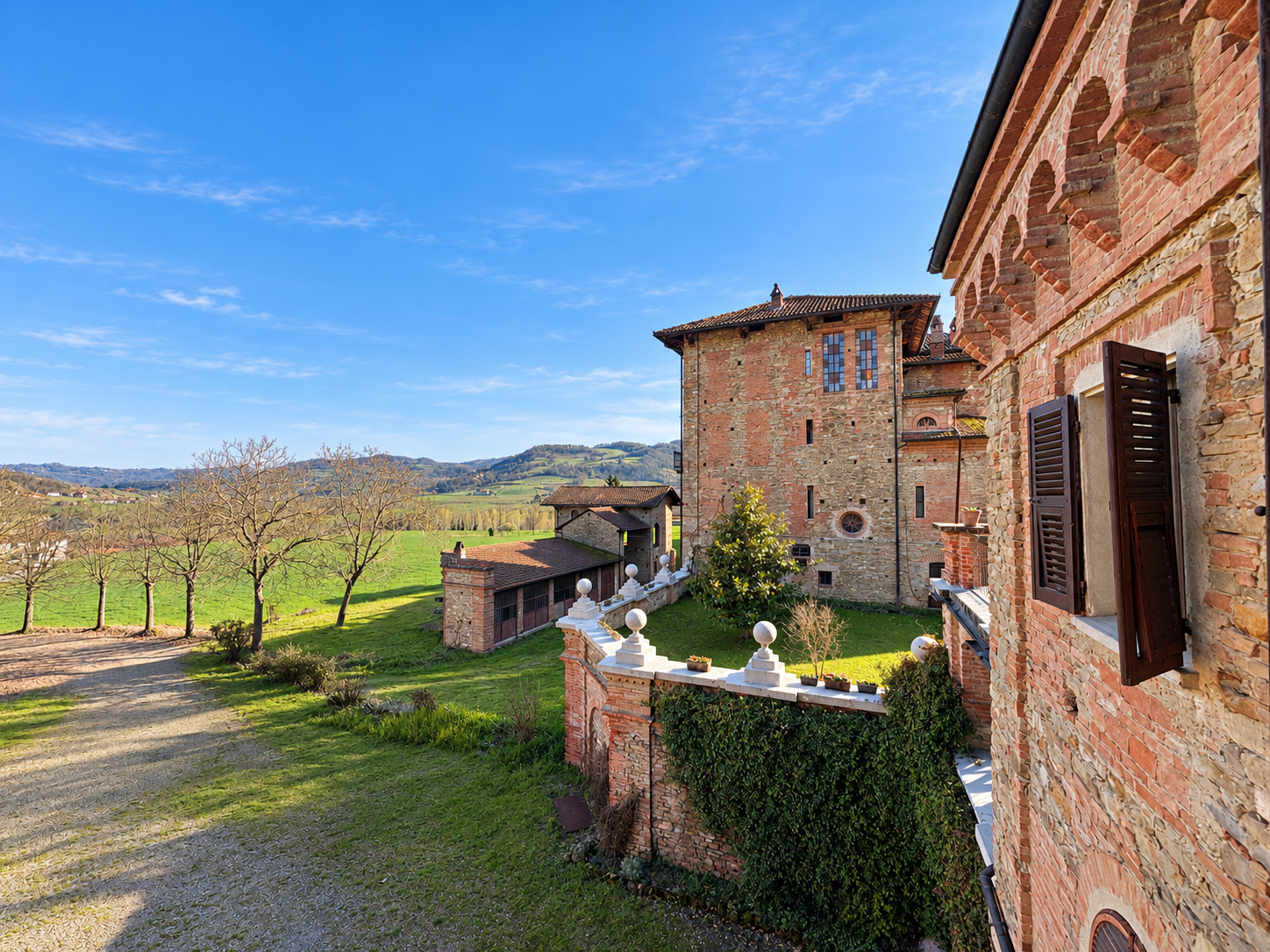
In the village of Bubbio, where the Langhe Astigiane meet Monferrato, an early twentieth-century estate is set to begin a new chapter. The redevelopment will transform this distinctive collection of historic buildings into 19 individual apartments, combining period architecture with contemporary comfort and shared spaces for relaxation and wellbeing. Built in traditional Langhe stone, the estate brings together terracotta roofs, arched openings, decorative balconies and architectural details reflecting the Liberty influence of its era. Its character will guide the transformation, creating homes with a strong connection to the buildings and their Piedmont setting.
The collection will offer apartments of different sizes, each with a private terrace or balcony. Whether as a permanent home, private retreat or rental investment, the residences are conceived for buyers who appreciate historic surroundings alongside the comforts of modern living. The plans include a shared swimming pool, landscaped garden, spa and gym, bringing opportunities to swim, unwind and stay active into everyday life. Private outdoor spaces will be complemented by communal grounds, offering places to spend time outdoors and gather with family, friends and neighbours.
Set within Bubbio’s village setting, the estate offers a connection to local life in a region celebrated for its wines, food and varied countryside. Vineyards, hilltop villages and traditional producers provide plenty to discover, from leisurely lunches to visits to local wineries. Canelli is approximately 10 kilometres away, Acqui Terme 15 kilometres and Nizza Monferrato 18 kilometres, making the estate a base for exploring Piedmont.
This project brings together the individuality of a period property, the privacy of an apartment with its own outdoor space, and the enjoyment of shared leisure facilities. A new residential chapter for an estate rooted in Piedmont’s architectural and rural heritage.
Villa Corte Gallery